

Learn how to create perfect thesis statements with our free generator tool and expert tips. Get step-by-step guidance for academic success in essays, research papers, and dissertations.

Every academic writer knows that moment of dread: staring at a blank page, trying to craft that perfect thesis statement that will guide an entire paper. Whether you're a college student facing a major research paper or a graduate student working on your dissertation, the thesis statement is the foundation upon which all academic writing rests. It's the single most important sentence in your entire paper—the compass that guides your research, the anchor that holds your arguments together, and the first impression you make on your reader.
But here's the good news: creating a strong thesis statement doesn't have to be a painful, solitary struggle. With the right tools and techniques, you can transform this challenging task into a straightforward process. In this comprehensive guide, we'll explore how our free thesis statement generator can help you get started, and we'll share expert tips to refine your statement into something truly exceptional.
Before we dive into the tools, let's understand what we're aiming for. A strong thesis statement typically has these characteristics:
Pro Tip: A common mistake students make is creating a thesis statement that's too broad or too vague. Your thesis should be specific enough to guide your research but broad enough to allow for meaningful exploration.
Our thesis statement generator at iloveweb.tools is designed to help you overcome writer's block and get started quickly. Here's how to use it effectively:
Navigate to our main tools page at iloveweb.tools and look for the thesis statement generator in our academic tools section. The interface is clean and intuitive, designed specifically for students and researchers who need quick, reliable help.
The generator will prompt you for several key pieces of information:
For example, if you're writing about climate change, you might input:
Once you've input your information, click the generate button. The tool will create several thesis statement options based on your inputs. You'll typically get 3-5 variations, each with slightly different wording or emphasis.
Don't just copy the first option! Use the generated statements as starting points. Mix and match elements from different versions, adjust the wording to match your voice, and ensure it aligns perfectly with your research.
While our generator gives you a great starting point, these expert tips will help you elevate your thesis statement to the next level:
The best thesis statements emerge from thorough research. Before you even think about wording, spend time exploring your topic. Read academic articles, analyze data, and understand the existing conversations in your field. Our Keyword Density tool can help you analyze research papers to identify key themes and concepts.
Vague thesis statements lead to vague papers. Instead of "Social media affects teenagers," try "Excessive social media use (more than 3 hours daily) negatively impacts teenage sleep patterns and academic performance." The more specific you are, the easier your research becomes.
After drafting your thesis, ask yourself: "So what? Why does this matter?" If you can't answer these questions clearly, your thesis needs refinement. A strong thesis should clearly indicate why your argument is important and worth reading.
A thesis statement isn't a fact—it's a position. "Water is wet" isn't a thesis; "Government policies should prioritize clean water access over industrial development" is. Make sure someone could reasonably disagree with your statement.
Your thesis might evolve as you conduct research. That's normal and actually desirable! The initial thesis gets you started, but be willing to refine it as you discover new evidence or perspectives.
Creating a thesis statement is just one part of the academic writing process. Here are some other essential tools from iloveweb.tools that can help you throughout your writing journey:
Academic papers often have strict word limits. Our Word Counter helps you stay within requirements, while the Character Counter ensures your abstract meets journal specifications. For deeper analysis, use our Word Frequency tool to identify overused terms in your draft.
A great thesis needs to be presented in readable prose. Our Readability Checker analyzes your writing's complexity, helping you adjust for your target audience. For structuring longer papers, the Paragraph Counter helps ensure balanced section development.
Academic writing requires careful organization. Use our Text Compare tool to track changes between drafts, and the Remove Extra Spaces tool to clean up your final submission. For literature reviews, the Remove Duplicate Lines tool can help organize your sources.
Even with great tools, writers often stumble on these common mistakes:
Avoid statements like "This paper will discuss..." or "In this essay, I will prove..." These are weak and waste valuable space. Instead, state your actual argument directly.
"There are three reasons why exercise is important: physical health, mental health, and social benefits." While this identifies topics, it doesn't present an argument. Transform it into: "Regular exercise provides more comprehensive health benefits than medication alone for managing depression."
"Technology has changed society." This is too vague to be useful. Narrow it down: "Smartphone addiction among teenagers has fundamentally altered family communication patterns and social development."
For graduate students and researchers working on more complex projects:
Start with a "working thesis"—a preliminary statement that guides your initial research but remains flexible. As you gather evidence, refine it into your final thesis statement.
For complex topics, consider a thesis with multiple interconnected claims. Each part should be clear and supportable, working together to form a comprehensive argument.
Strong thesis statements often acknowledge or refute potential counterarguments. This shows depth of understanding and strengthens your position.
Our thesis statement generator works best when combined with other academic writing strategies. For more comprehensive guidance on academic tools, check out our article Text Tools Every College Student Needs: Free Online Solutions for Academic Success, which covers everything from research organization to final proofreading.
When working with complex texts or multiple sources, tools like our Find and Replace can help you maintain consistency in terminology, while the Text Cleaner ensures your drafts are free from formatting issues before submission.
Let's walk through a complete example using our tools and techniques:
Creating the perfect thesis statement is both an art and a science. With our free thesis statement generator and the expert tips outlined above, you have everything you need to craft compelling, effective thesis statements for any academic project. Remember:
Whether you're working on a simple essay or a complex dissertation, a strong thesis statement sets the stage for all your subsequent work. It's worth investing the time to get it right—and with the right tools, that process becomes much more manageable.
Final Thought: The best thesis statements don't just state a position—they invite conversation, challenge assumptions, and open doors to deeper understanding. Use these tools and techniques not just to complete assignments, but to contribute meaningfully to your field of study.
Ready to get started? Visit iloveweb.tools today and try our thesis statement generator along with our full suite of academic writing tools. Your perfect thesis is just a few clicks away!

Discover essential free text tools every college student needs for academic success. Learn how word counters, readability checkers, and formatting tools can streamline your writing process and improve grades.
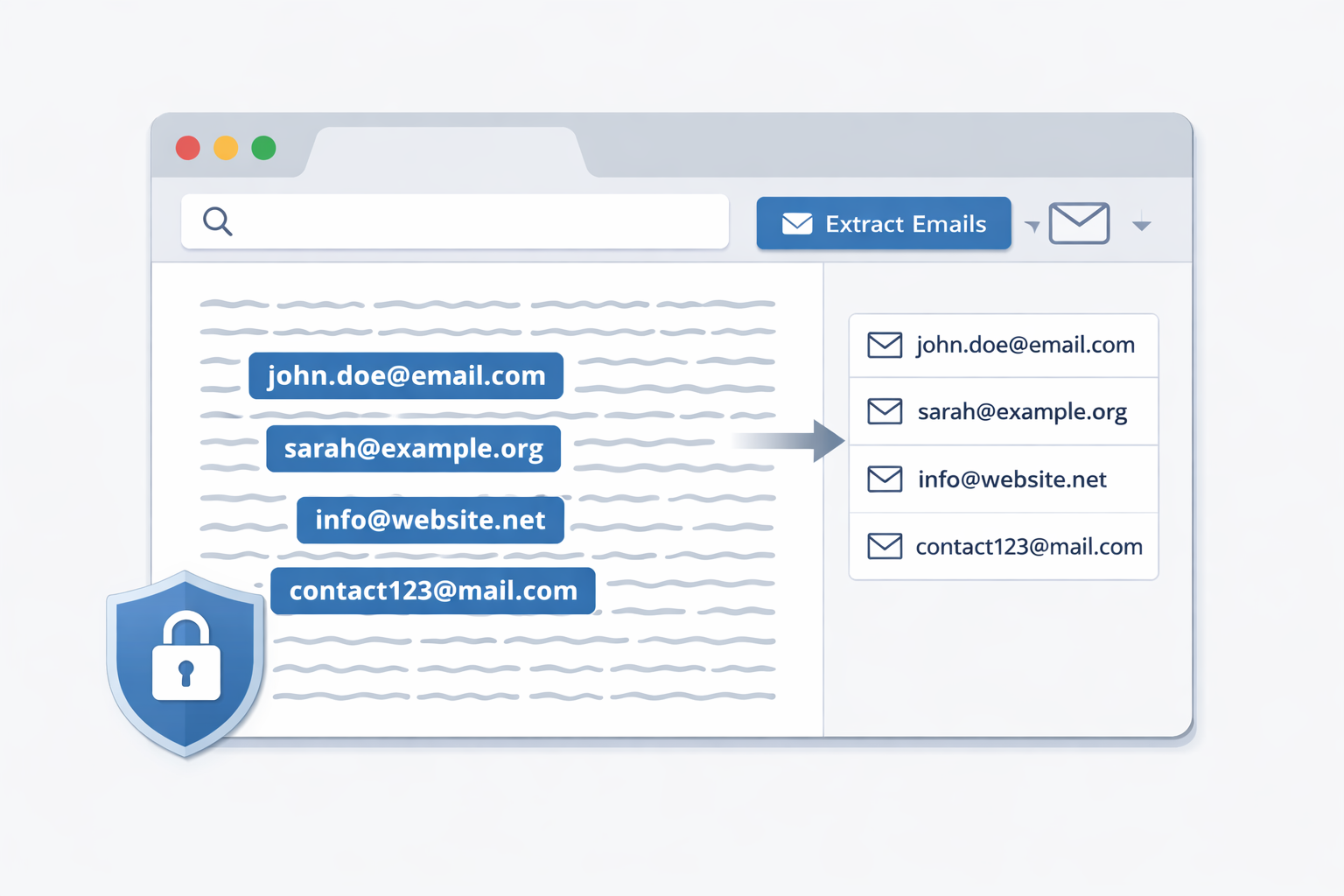
Extract email addresses from large blocks of text directly in your browser. This privacy-first guide shows how to safely extract emails without uploading or storing your data, using a client-side email extractor.
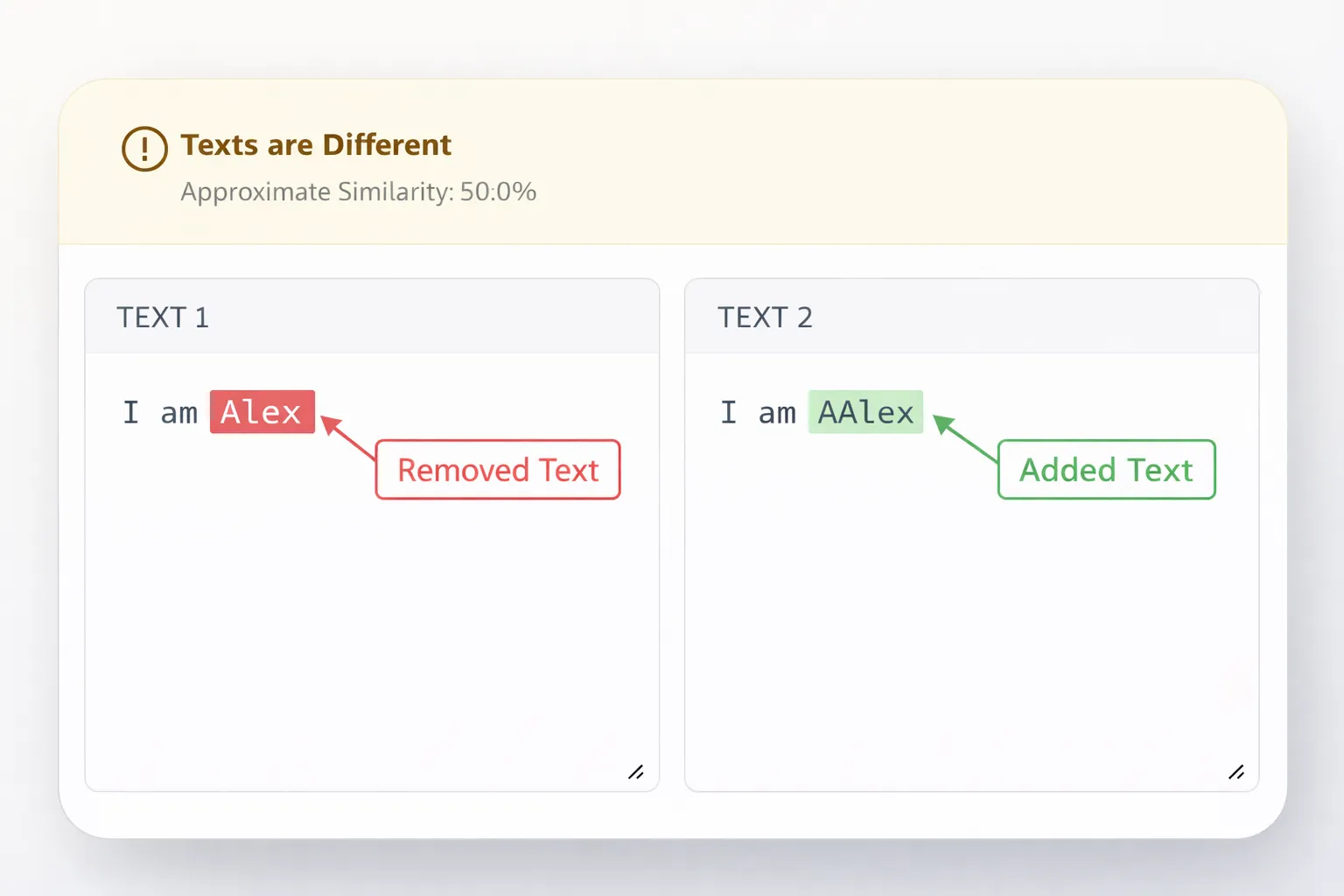
Compare two texts instantly and highlight added, removed, or modified content using a fast and reliable text difference tool—no manual checking required.